Periodontal Treatment vs Regular Dental Cleaning: Key Differences


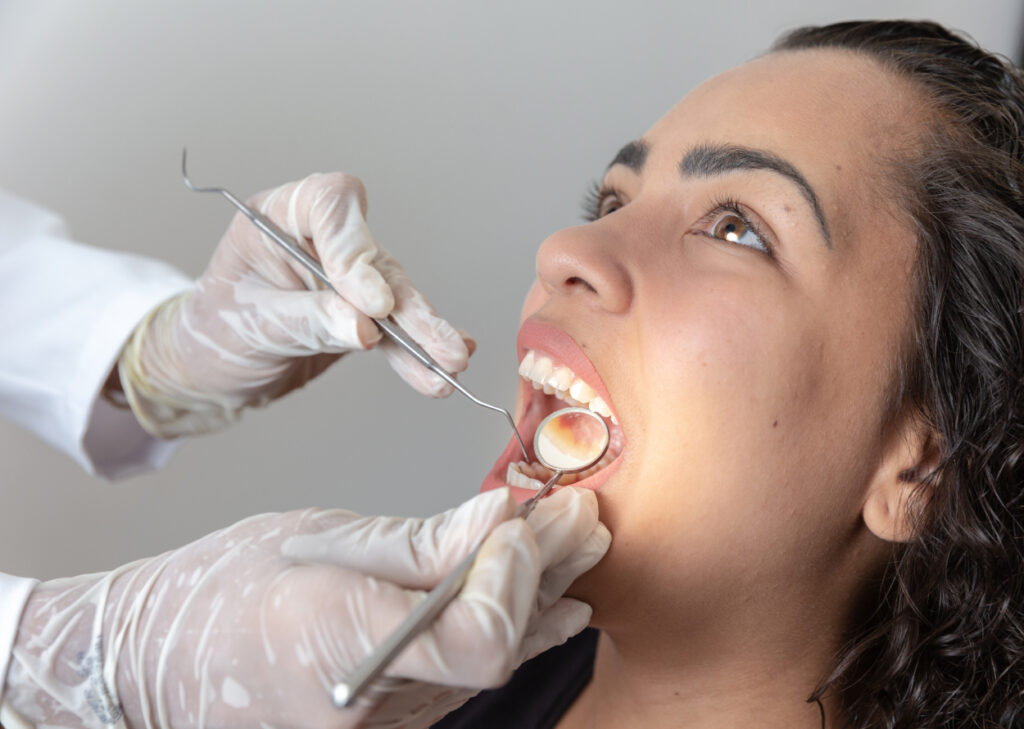
Many patients use the word “cleaning” to describe almost any visit that involves scraping, polishing, or time in a dental chair. From the clinical side, that shorthand creates confusion. A regular dental cleaning and periodontal treatment may both involve removing buildup from teeth, but they are not interchangeable services. They address different conditions, require different levels of assessment and instrumentation, and carry very different goals.
That distinction matters more than most people realize. I have seen patients postpone treatment because they assumed a “deep cleaning” was just a more expensive version of a routine appointment. I have also seen the opposite, people who book what they think will be a simple cleaning, only to learn they have active gum disease that cannot be managed with a standard prophylaxis. The difference is not semantic. It affects what your clinician is treating, how your mouth heals, and what the long-term outlook for your teeth will be.
The real purpose of a regular dental cleaning
A regular dental cleaning, often called a prophylaxis, is preventive care. It is intended for patients whose gums are generally healthy, or whose gum tissues may have mild, reversible inflammation without deeper structural damage. The objective is straightforward: remove plaque, tartar, and superficial staining above the gumline and slightly below it in areas that remain clinically healthy.
In a healthy mouth, the tissues fit snugly around the teeth. There may be minor irritation from inconsistent brushing or flossing, but the attachment between the gum and tooth has not broken down in a meaningful way. At that stage, a regular cleaning helps restore a cleaner surface, reduce bacterial load, and make home care more effective.
A typical preventive cleaning often includes an examination, scaling to remove calculus, polishing, and sometimes fluoride depending on the patient’s age and risk profile. The appointment is usually comfortable, relatively quick, and part of a recurring maintenance schedule, often every six months, though not everyone fits that exact interval. Some patients with excellent home care and low risk may need less frequent visits, while others benefit from shorter intervals due to heavy tartar buildup, dry mouth, orthodontic appliances, or medical conditions that affect oral health.
What a regular cleaning does not do is treat established periodontal disease. That is where misunderstanding starts.
What periodontal treatment is actually treating
Periodontal treatment addresses disease of the supporting structures around the teeth, most importantly the gums, periodontal ligament, and surrounding bone. Once bacterial biofilm triggers inflammation deep enough to cause attachment loss, the issue is no longer just surface buildup. The problem has moved under the gumline and into the architecture that holds teeth in place.
At this stage, a clinician may find periodontal pockets, bleeding on probing, gum recession, bone loss on radiographs, suppuration, tooth mobility, or chronic inflammation that does not resolve with routine hygiene. A standard cleaning cannot predictably remove deposits from the deeper root surfaces in diseased pockets, nor can it reset a compromised periodontal environment.
Periodontal Treatment often begins with scaling and root planing, sometimes called non-surgical periodontal therapy. This involves thorough removal of calculus, biofilm, and contaminated cementum from root surfaces below the gumline. Depending on the severity and the provider’s approach, treatment may be completed by quadrant, with local anesthetic, over more than one visit. In some cases, adjuncts such as localized antimicrobials, irrigation, laser-assisted therapy, or referral to a periodontist may be appropriate. The exact plan depends on the diagnosis, pocket depths, radiographic findings, the patient’s medical history, smoking status, and ability to maintain plaque control at home.
That is an important point. Periodontal treatment is not simply “a deeper cleaning.” It is disease management.
Why the terms get mixed up so often
Part of the confusion comes from everyday language. Patients naturally compare dental visits based on what they can feel and see. If both appointments involve instruments removing tartar, they sound similar. Insurance terminology also muddies the water. Patients may hear one code described as a cleaning and another as deep cleaning, which makes it sound like a difference in intensity rather than diagnosis.
Clinically, the distinction rests on the condition of the tissues. A healthy or stable mouth receives preventive care. A diseased mouth needs therapeutic care. If attachment loss, periodontal pockets, and subgingival calculus are present, treating that condition as if it were routine maintenance would be inadequate care.
Another reason people resist the periodontal label is emotional. No one likes hearing they have gum disease. It can feel accusatory, especially for patients who brush daily and assume they have done everything right. But periodontal disease is not always a reflection of neglect. Genetics, immune response, smoking, diabetes, mouth breathing, medications that reduce saliva, old restorations, crowded teeth, and inconsistent access to dental care all play a role. Some people accumulate severe damage with surprisingly little visible tartar. Others build heavy deposits yet show limited bone loss. Biology is not perfectly fair.
The clinical differences your dental team is looking for
From the patient’s perspective, the mouth may feel only mildly tender or look slightly red. From the clinician’s perspective, several measurable findings can shift the diagnosis away from routine cleaning and toward periodontal treatment.
Pocket depth is one of the most important markers. Healthy gums usually produce shallow probing depths, often in the 1 to 3 millimeter range, without significant bleeding. Once depths increase, especially when accompanied by bleeding, calculus, and radiographic bone loss, concern rises. A 4 millimeter reading in a single area does not automatically mean severe disease, but widespread 4 to 6 millimeter pockets with inflammation and calculus are a different picture.
Bleeding on probing is another common indicator. Many patients assume bleeding during brushing is normal. It is common, but it is not normal in the healthy sense. Bleeding is a sign of inflammation. When tissues bleed easily during periodontal charting, it often signals bacterial irritation below the gumline.
Radiographs matter as well. Bone loss is not visible in the mirror, but it is central to periodontal diagnosis. Once supporting bone is reduced, the goal shifts from prevention alone to controlling a disease process and preserving remaining support.
Texture and contour tell a story too. Healthy gums tend to be firm and adapted to the teeth. Diseased gums may look swollen, rolled, shiny, or receded. Some patients have little pain despite significant disease, which is one reason periodontal problems often go untreated for years.
What the appointment feels like for each service
A regular cleaning is usually simpler and more comfortable. The clinician removes deposits, checks for rough spots, polishes the teeth, and reviews hygiene habits. Some patients with sensitivity or heavy buildup may still find it unpleasant, but it generally does not require numbing.
Periodontal treatment tends to be more involved. Because the work extends below the gumline and onto root surfaces, local anesthetic is often recommended. Treatment may be divided into sections of the mouth, such as right side one visit and left side another, or by quadrants. The roots must be thoroughly debrided, not just superficially scaled. Afterward, patients may experience tenderness, mild soreness, temperature sensitivity, or a sense that the spaces between the teeth are larger than before. That last change can be unsettling, but it often reflects reduced swelling rather than new damage. Inflamed tissue had been puffed up. Once the inflammation decreases, the anatomy becomes more honest.
This is one of those moments where patient expectations matter. A regular cleaning often leaves teeth feeling polished and smooth the same day. Periodontal treatment is more likely to feel like actual therapy, because that is what it is.
Why a regular cleaning is not enough for gum disease
If deposits and bacterial biofilm extend well below the gumline, a routine prophylaxis will not predictably disrupt the environment driving the disease. Think of it this way: if a wound is infected beneath the surface, wiping the skin above it clean will not resolve the deeper problem. You may improve appearance briefly, but the disease process continues.
I have seen patients come in every six months for “cleanings” while their pocket depths gradually worsened and bone loss increased. Often, no one intended harm. Sometimes the patient declined periodontal treatment due to cost, fear, or misunderstanding. Sometimes a previous provider used vague language, and the seriousness did not land. But the end result is the same. If active periodontal disease is present, routine preventive care does not replace therapeutic intervention.
There is also a medicolegal and ethical side to this. Performing a regular cleaning on a patient who needs periodontal treatment is not just a coding issue. It can mean the chart does not accurately reflect disease status or the care required. Good practices document the diagnosis clearly, explain findings, and discuss consequences of delaying treatment.
Why periodontal treatment should not be oversold either
The reverse problem exists too. Not every patient with a little bleeding or a few isolated deeper readings needs aggressive treatment. Clinical judgment matters. There are cases where localized inflammation from temporary neglect improves with better home care and a regular cleaning. There are also patients with a history of treated periodontitis who now need periodontal maintenance, which is different from both a routine cleaning and initial scaling and root planing.
This is where nuanced diagnosis matters. Dentistry is not best served by simplistic categories. A thoughtful provider considers the whole picture: measurements, radiographs, medical risk factors, previous history, plaque control, and the pattern of disease. One isolated 4 millimeter pocket around a crowded lower incisor is not the same as generalized bleeding with 5 to 6 millimeter pockets and horizontal bone loss.
Patients do well when the office explains that diagnosis lives on a spectrum. Healthy tissue, gingivitis, early periodontitis, moderate disease, advanced disease, and post-treatment maintenance all call for different levels of care.
The role of periodontal maintenance after treatment
One of the most misunderstood parts of care comes after initial therapy. Patients often assume that once periodontal treatment is complete, they go back to regular cleanings forever. Sometimes they do eventually transition, but often they remain on a periodontal maintenance schedule for a significant period, and many long-term.
Periodontal maintenance is a distinct phase of care for patients with a history of periodontal disease. The purpose is to monitor pocket depths, evaluate tissue response, remove new deposits from both above and below the gumline, and reduce the chance of relapse. These visits are typically scheduled every three to four months rather than every six, because pathogenic bacteria can repopulate periodontal pockets fairly quickly, and these patients have already demonstrated susceptibility.
That interval is not arbitrary. In practice, many patients with previous bone loss simply do better on a shorter recall. Their gums stay calmer, deposits remain easier to manage, and subtle deterioration is caught earlier. Stretching maintenance to six or nine months often looks cheaper in the short term and more expensive in the long term.
Signs patients notice at home
Some people with gum disease have obvious symptoms. Others have almost none until teeth begin to loosen or spaces open up. The early signs are easy to dismiss because they seem minor or intermittent.
Here are some of the more common clues that a regular cleaning may not be enough:
- Gums bleed during brushing, flossing, or eating.
- Persistent bad breath returns soon after cleaning.
- Teeth appear longer because the gums are receding.
- Tenderness, swelling, or a puffy gumline lingers for weeks.
- Food traps between teeth where it did not before.
None of these signs proves advanced periodontitis on its own, but together they warrant a closer look.
Medical history changes the conversation
Periodontal health does not exist in isolation from the rest of the body. Diabetes is one of the clearest examples. Poorly controlled blood sugar can worsen inflammation and impair healing, while periodontal infection can make glycemic control harder. Smoking remains a major risk factor as well, often masking bleeding while accelerating destruction. Some smokers assume their gums are healthy because they do not bleed much, when in fact the blood supply and inflammatory response are altered in ways that hide visible warning signs.
Pregnancy, immune suppression, osteoporosis medications, dry mouth from common prescriptions, and autoimmune conditions can all influence gum health and treatment planning. A patient with mild findings but uncontrolled diabetes may need closer attention than a healthier patient with similar measurements. That is part of why a one-size-fits-all approach fails.
Cost, insurance, and the uncomfortable gap between what is needed and what is covered
Money is often where these conversations become difficult. A regular cleaning is usually well understood by insurance plans and patients alike. Periodontal treatment costs more because it involves more time, more complex instrumentation, more charting, and a different level of disease management. Insurance may cover part of it, but coverage varies, and annual maximums are often modest relative to actual treatment needs.
This creates a real-world problem. Patients sometimes ask whether they can “just do the regular cleaning for now.” If active periodontal disease is present, that compromise may feel practical but does not change the biology. Delaying treatment can mean continued bone loss, more expensive care later, and in some cases eventual tooth loss. That said, experienced clinicians know life is complicated. If a patient cannot proceed with the full recommended plan immediately, it is still worth discussing staged care, focused treatment on the worst areas, or a short-interval reevaluation rather than letting the issue disappear.
The best conversations about cost are direct, respectful, and specific. Patients deserve to know what is urgent, what can wait briefly, what the likely risks are, and what the alternatives realistically achieve.
How diagnosis is usually made
Patients are often surprised that diagnosis is not based on tartar alone. A mouth can look fairly clean and still have periodontal disease. Conversely, someone with visible buildup may not have advanced attachment loss.
A proper periodontal evaluation often includes probing measurements around each tooth, assessment of bleeding points, review of radiographs for bone levels, mobility testing when relevant, recession measurements, furcation involvement on multi-rooted teeth, and evaluation of plaque retention factors such as overhanging restorations or crowding. This is one reason a quick polish-and-go visit cannot stand in for an exam.
When patients ask why they needed “all that measuring,” the answer is simple. Gum disease is tracked by evidence, not guesswork. The numbers help establish a baseline and show whether treatment is working.
What results to expect from periodontal treatment
The goal is not to regrow every bit of lost bone through cleaning alone. Patients sometimes hope that after treatment, their mouth will return to the exact condition it had at age twenty. Periodontal therapy is more realistic than that. It aims to reduce inflammation, shrink pockets where possible, create cleaner root surfaces, improve tissue tone, slow or stop disease progression, and preserve teeth for as long as feasible.
In mild to moderate cases, results can be excellent when the patient is consistent. Bleeding often drops dramatically. Breath improves. Sensitivity may settle after an initial adjustment period. Tissues become firmer, and maintenance becomes more effective. In advanced cases, treatment can still stabilize the situation, but some damage is irreversible, and surgery, splinting, bite adjustment, or extraction of hopeless teeth may enter the conversation.
The most successful outcomes usually share the same features: accurate diagnosis, timely treatment, realistic expectations, and solid home care afterward.
The home care factor no one can outsource
No professional treatment, not even the most meticulous periodontal therapy, can compensate for a plaque-heavy environment at home month after month. That is not judgment, just mechanics. Biofilm reforms quickly. The office can disrupt it at intervals, but daily control belongs to the patient.
That does not mean everyone needs an elaborate routine with expensive gadgets. What matters is consistency and technique. A soft brush used gently along the gumline, interdental cleaning suited to the spaces present, and periodic adjustment based on recession, bridges, implants, or dexterity limitations go a long way. For some patients, a powered toothbrush makes the difference. For others, floss is less effective than small interdental brushes or a water flosser used properly. The best routine is the one a patient can actually perform well, every day.
When to seek a second opinion
A second opinion makes sense when the recommendation feels out of step with what you have been told before, when the explanation is vague, or when no periodontal charting or radiographs support the diagnosis. It also makes sense if the https://damiensvgs043.swiftnestly.com/posts/periodontal-treatment-faqs-answers-every-patient-should-read mouth is highly sensitive, the disease appears advanced, or surgery is being proposed and the patient wants a periodontist’s input.
A trustworthy second opinion should not just confirm or deny the first office’s recommendation. It should explain the findings in plain language. If two clinicians disagree, the key question is not who sounds more reassuring. It is who documents the disease pattern clearly and ties the recommendation to observable evidence.
The bottom line patients should remember
Regular dental cleanings help prevent disease in mouths that are healthy or only mildly inflamed. Periodontal treatment addresses established gum disease that has moved below the surface and begun to damage the supporting structures around the teeth. They are related services, but they are not substitutes for each other.
If your dental team recommends Periodontal Treatment, the most important question is not whether it feels like “just a cleaning.” The better question is what diagnosis they are treating, what evidence supports it, and what happens if it is postponed. Once patients understand that distinction, the decision usually becomes much clearer.
Avra Dental
Address: 1708 S Victoria Ave B, Ventura, CA 93003
Phone number: (805) 941-1001
FAQ About Periodontal Treatment
Can a dentist get rid of periodontal disease?
A dentist or gum specialist (periodontist) cannot fully cure or reverse advanced periodontal disease (periodontitis), but they can successfully stop its progression and manage the infection.
Is periodontitis very serious?
Yes, periodontitis is a very serious, advanced form of gum disease that destroys the bone and tissues supporting your teeth.
How is stage 2 periodontal disease treated?
Stage 2 periodontal disease (early to moderate periodontitis) is primarily treated with non-surgical deep cleaning procedures like scaling and root planing to remove bacteria and tartar below the gumline.
Ends · CAIDENOFYD252